
Quick answer: Most crypto scams follow the same pattern: someone promises guaranteed or unusually high returns, creates urgency, and asks you to send crypto, connect your wallet, or share your seed phrase. To protect yourself, never share your seed phrase, only use platforms you found yourself (not through a link someone sent you), double-check every wallet address and transaction you sign, and treat any “guaranteed profit” as a scam. If you’ve been scammed, stop sending money, document everything, and report it to the platform and your national fraud agency.
Note: This guide is for general education. If you’ve lost money, contact your bank or exchange and local law enforcement as soon as possible.
Key Takeaways
- No legitimate company or person will ever ask for your seed phrase or private key. Anyone who does is trying to steal your crypto.
- Guaranteed returns do not exist in crypto. “Risk-free” and “double your money” are red flags.
- Crypto transactions are usually irreversible, so prevention matters far more than recovery.
- Be wary of anyone who contacts you first, especially online friends, romantic interests, or “support agents.”
- “Recovery services” that charge upfront fees to get back stolen crypto are almost always a second scam.
Why Crypto Scams Are So Common
Crypto is attractive to scammers for three reasons:
- Transactions are hard to reverse. Once crypto leaves your wallet, there’s usually no bank to call for a chargeback.
- It’s global and fast. Scammers can operate from anywhere and move funds across borders in minutes.
- Many people are new to it. Beginners may not yet know what normal looks like, which makes fake platforms and “experts” more convincing.
Understanding the common scam types is the best defense.
The 9 Most Common Crypto Scams in 2026

1. Pig Butchering (Relationship Investment Scams)
How it works: A stranger contacts you through a dating app, social media, or a “wrong number” text. Over weeks they build trust or a romantic relationship, then introduce you to a crypto “investment opportunity” on a platform they recommend. The platform shows growing profits, but when you try to withdraw, you’re told to pay “taxes” or “fees” first, and the money is never returned.
Red flags:
- Someone you’ve never met in person steers the conversation toward investing
- They insist on a specific app or website you’ve never heard of
- Withdrawals require extra payments first
2. Fake Exchanges and Investment Platforms
How it works: Scammers build professional-looking websites or apps that mimic real trading platforms. Your “balance” grows on screen, but none of it is real.
Red flags:
- The platform isn’t registered with a financial regulator in your country
- It promises fixed daily or weekly returns
- You found it through an ad, a DM, or a group chat rather than independent research
3. Phishing and Fake Websites
How it works: You receive an email, text, or ad that looks like it’s from a real exchange or wallet provider. The link leads to a lookalike site that steals your login details or seed phrase.
Red flags:
- Misspelled domains or extra characters in the URL
- Urgent warnings like “Your account will be suspended”
- Requests to “verify” your wallet by entering your seed phrase
4. Wallet Drainers and Malicious Approvals
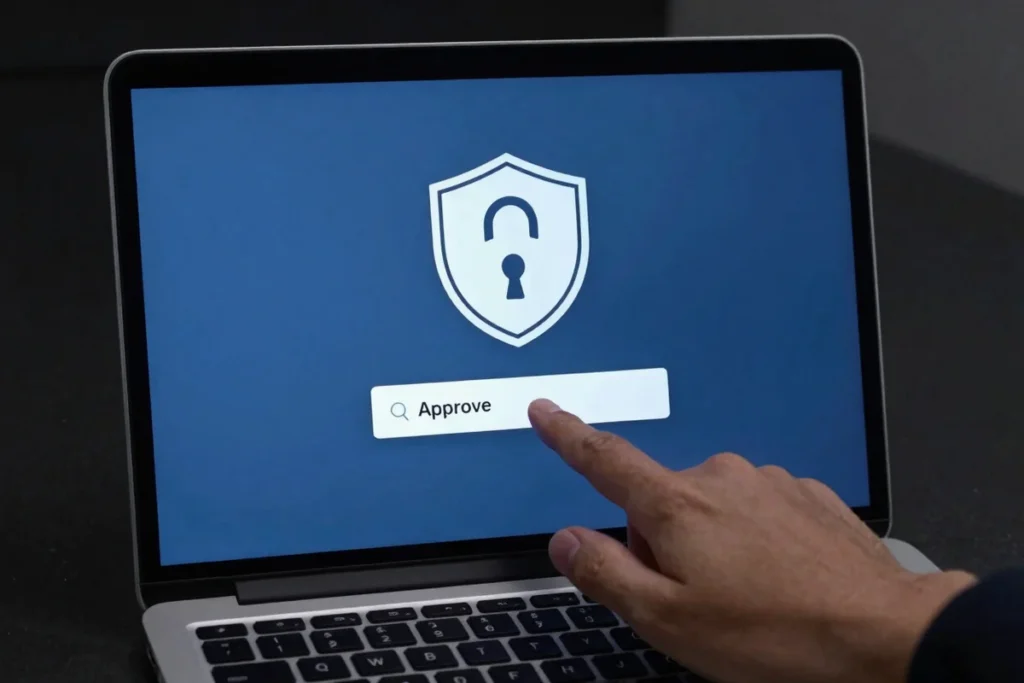
How it works: A website, airdrop, or NFT mint asks you to connect your wallet and sign a transaction. Hidden inside is a permission that lets the scammer move your tokens.
Red flags:
- Free tokens or NFTs that appear in your wallet out of nowhere
- Sites that ask you to “claim” a reward by signing a transaction
- Signature requests you don’t fully understand
5. Fake Giveaways and Impersonation
How it works: Scammers impersonate celebrities, influencers, or companies on social media or livestreams, promising to send back double whatever you send them.
Red flags:
- “Send 1 ETH, get 2 ETH back”
- Deepfake videos or hijacked verified accounts
- Countdown timers and “limited time” pressure
6. Fake Support Agents
How it works: You post a question publicly or search for help, and a “support agent” messages you directly. They guide you to a fake site or ask for remote access to your device.
Red flags:
- Support contacts you first through DMs, Telegram, or WhatsApp
- They ask for your seed phrase, password, or screen-sharing access
7. Rug Pulls and Pump-and-Dumps
How it works: Developers or promoters hype a new token, attract buyers, then sell their holdings or drain the liquidity, leaving the price near zero.
Red flags:
- Anonymous team and no audited code
- Huge promised returns and aggressive influencer promotion
- Most of the token supply held by a few wallets
8. Recovery Scams
How it works: After you’ve been scammed, someone offers to recover your lost crypto for an upfront fee. They may claim to be hackers, lawyers, or even government agencies. They take the fee and disappear.
Red flags:
- They contact you after your loss, often knowing details about it
- They guarantee recovery
- They require payment in crypto or gift cards before doing any work
9. Fake Jobs and “Task” Scams
How it works: You’re offered easy remote work, such as rating products or “optimizing” apps, paid in crypto. Early tasks pay small amounts, then you’re asked to deposit your own money to unlock bigger tasks.
Red flags:
- Unsolicited job offers through messaging apps
- You must pay to earn
- Payment only in crypto
Red Flags Checklist: Is It a Scam?
| Red flag | What it usually means |
|---|---|
| Guaranteed or very high fixed returns | Classic investment fraud |
| Someone asks for your seed phrase or private key | Theft attempt, always |
| Pressure to act immediately | Designed to stop you from checking |
| You have to pay to withdraw | Fake platform |
| Contact started with a stranger online | Possible pig butchering or impersonation |
| Platform isn’t registered with a regulator | High risk of fraud |
| Payment requested in crypto or gift cards only | Hard-to-trace payment method preferred by scammers |
| Offer to recover lost funds for a fee | Recovery scam |
If even one of these applies, stop and verify independently before sending anything.
How to Protect Your Crypto Wallet
Protect your keys
- Never share your seed phrase. Store it offline on paper or metal, never in a photo, email, or cloud note.
- Use a hardware wallet for larger, long-term holdings (see our beginner’s guide to buying and storing crypto).
Secure your accounts
- Turn on two-factor authentication with an authenticator app or security key, not SMS where possible.
- Use a unique, strong password for every exchange and email account, ideally with a password manager.
- Enable withdrawal address allowlists on exchanges that offer them.
Check before you click or sign
- Type exchange URLs yourself or use saved bookmarks instead of clicking links in messages.
- Read every wallet signature request. If you don’t understand what you’re approving, don’t sign it.
- Review and revoke old token approvals periodically using a reputable approval-checker tool.
Verify people and platforms
- Check regulator registers (such as the SEC or FINRA in the US, the FCA in the UK, or your national authority) before using any platform.
- Search the platform name plus “scam” or “review” on independent sites.
- Never invest because someone you met online told you to.
What to Do If You’ve Been Scammed
- Stop sending money. Don’t pay any “fees” or “taxes” to unlock withdrawals.
- Secure what’s left. Move remaining funds to a new wallet with a new seed phrase, and change passwords on linked accounts.
- Revoke wallet approvals if you signed a malicious transaction.
- Document everything: screenshots, wallet addresses, transaction IDs, usernames, websites, and dates.
- Contact the exchange you sent funds from. They may be able to flag or freeze funds if they reach another regulated platform.
- Report it to your national fraud agency, for example the FBI’s Internet Crime Complaint Center (IC3) or the FTC in the US, Action Fraud in the UK, or your local police cyber unit.
- Beware of recovery scams. Real law enforcement agencies don’t charge you fees to investigate.
Frequently Asked Questions
What is the most common crypto scam?
Investment scams, including pig butchering and fake trading platforms, are among the most common and most costly. They typically start with an online contact who gains your trust and then pushes you toward a fake investment site.
Can you get money back from a crypto scam?
Sometimes, but it’s difficult. If funds reach a regulated exchange, law enforcement may be able to freeze them. Report quickly and avoid anyone who charges upfront fees to recover your money.
How can I tell if a crypto exchange is legit?
Check whether it’s registered with a financial regulator in your country, look for a long track record and independent reviews, and make sure you can withdraw small amounts before depositing more.
Is it safe to connect my wallet to a website?
Only connect to sites you trust and found yourself. Read every signature request, and use a separate “hot” wallet with small balances for experimenting with new apps.
Will a crypto exchange ever ask for my seed phrase?
No. No legitimate exchange, wallet provider, or support agent will ever ask for your seed phrase or private key.
What is a pig butchering scam?
A long-con scam where a stranger builds a friendship or romance with you online, then convinces you to invest in a fake crypto platform. The name refers to “fattening” the victim before taking everything.
Who do I report a crypto scam to?
Report to the platform involved and your national fraud authority, such as IC3 or the FTC in the US, or Action Fraud in the UK. Also report scam accounts on the social network or app where you were contacted.
Final Thoughts
Scams evolve constantly, but the warning signs stay the same: pressure, promises of guaranteed profits, and requests for your keys or money upfront. Slow down, verify independently, and keep your seed phrase to yourself. When in doubt, don’t send.
New to crypto? Start with our step-by-step guide on how to invest in crypto, and subscribe to our free newsletter for plain-English updates.